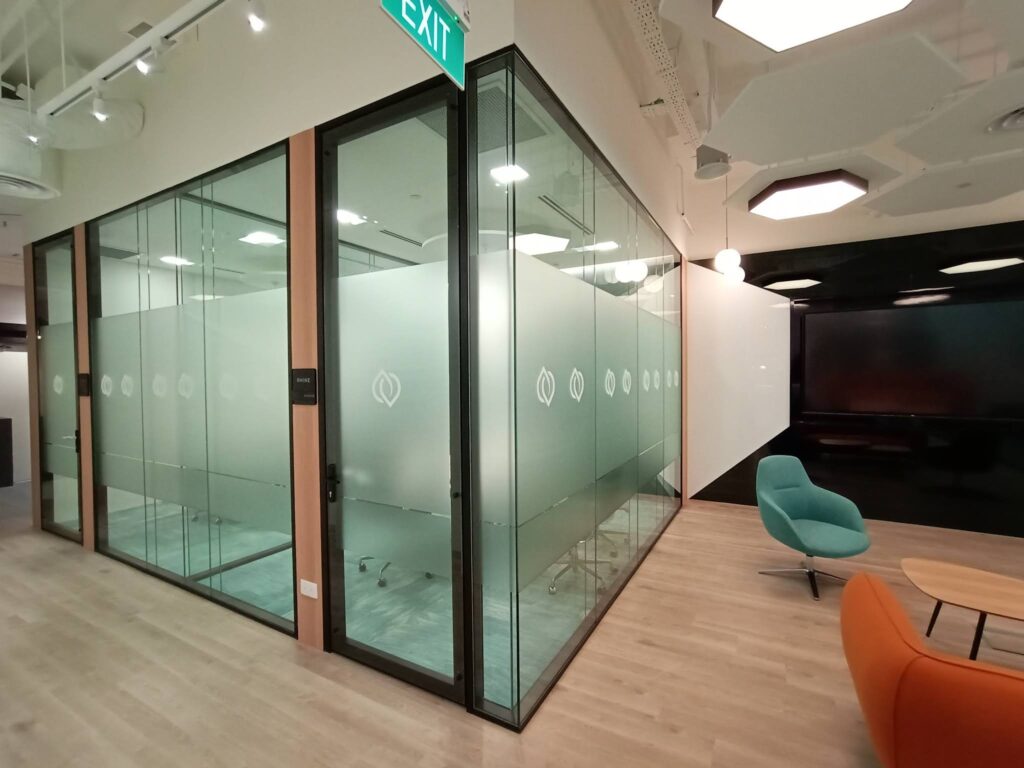
Smart Space Planning for Modern Workplaces
Key Pointers:
- Optimise circulation and sight lines for flow and comfort
- Choose right-sized furniture and modular systems
- Use built-ins strategically for storage without clutter
- Maximise light, colour, and openness to make the space feel larger
Why Does Small Office Design Require Careful Planning?
Designing a small office isn’t about fitting everything into a tight space, it’s about making every element serve a purpose. Poorly planned layouts can restrict movement, block natural light, and create visual clutter that affects productivity.
A thoughtful approach balances aesthetics with function. By planning circulation routes, allocating proper storage, and choosing furniture that fits scale, even a compact office can feel organised and professional.
What Layouts Work Best for Small Offices?
Begin with your workflow. Identify high-traffic areas, like entrances, meeting points, and shared equipment zones, and keep them free from obstruction.
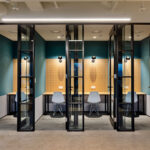
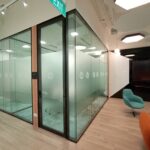
An L-shaped or open-plan layout often works best for small spaces because it supports collaboration while maintaining flexibility. Keep partitions low or transparent to allow visibility and light to flow through.
Tip: Align desks near windows and shared walls to reduce wasted corners.
How Can Furniture Choice Maximise Space?
The right furniture scale can make or break a small office design. Modular and compact furniture allows you to reconfigure layouts without major renovations.
Choose desks with thin profiles, open bases, and built-in cable management to avoid visual bulk. Mobile pedestals and foldable meeting tables can double as extra surfaces when needed.
If custom built-ins are within budget, they can fit irregular corners perfectly and free up valuable floor space.
How Do Storage Solutions Prevent Clutter?
Storage planning is essential for smaller workplaces. Use vertical storage, such as wall-mounted cabinets and open shelving, to keep the floor clear.
Integrate shared storage zones for supplies or documents instead of giving every desk its own cabinet. This reduces redundancy and keeps the design streamlined.
Pro move: Hide printers, routers, and cables inside cabinets with ventilation holes for a cleaner look.
Can Design Elements Make a Small Office Feel Larger?
Yes. Light and colour have a powerful impact on how spacious an office feels. Use light, neutral colours, white, beige, or pale grey, to reflect natural light. Pair these with warm wood or matte finishes to maintain balance.
Glass partitions and mirrors extend sight lines, while consistent flooring across zones prevents visual breaks.
Good lighting also matters, combine ceiling lights with wall sconces or task lamps to brighten corners that might otherwise feel cramped.
How Can Shared and Hybrid Areas Be Planned Efficiently?
Many small offices now serve multiple purposes: meeting room by day, project area by afternoon. Use modular partitions, stackable chairs, and foldable tables to make spaces adaptable.
If your team works hybrid schedules, consider hotdesking zones instead of assigned desks. This reduces unused space and promotes flexibility without compromising comfort.
Frequently Asked Questions (FAQs)
- What’s the first step in designing a small office?
Start with a site assessment, measure dimensions, note natural light sources, and identify the key circulation paths before selecting furniture or finishes. - How can I ensure my layout meets safety and accessibility standards?
Plan at least 1.2 to 1.5 metres of walkway clearance and keep exits unobstructed. Consult your renovation contractor for local building code compliance. - Are built-in fixtures or modular furniture better for small offices?
Both can work. Built-ins save space in irregular layouts, while modular furniture provides flexibility for future reconfigurations. - How do I create privacy without closing off the space?
Use acoustic panels, glass partitions, or half-height dividers. They reduce noise and visual distractions while maintaining openness. - Can lighting alone make a noticeable difference?
Yes. Balanced lighting, natural and artificial, improves comfort and creates an illusion of depth, helping smaller rooms appear larger.
Final Thoughts
Designing a small office is about clarity and intention. When each zone has a defined purpose and circulation flows naturally, limited space becomes an advantage rather than a constraint. With smart storage, adaptable furniture, and thoughtful lighting, you can transform a compact footprint into a productive and pleasant workplace.
Plan a Smarter, More Functional Office Layout
At Office Renovation (Singapore Interior Group Pte. Ltd.), we specialise in office interior design, space planning, and renovation for businesses across Singapore. With more than 27 years of experience, our team focuses on practical layouts that optimise both form and function.
 Call us at +65 6323 9213
 Visit us at 124 Lor 23 Geylang, #08-01/02 Arcsphere, Singapore 388405
 Or send us an enquiry here
Small space, big potential, let’s design a workplace that works for you.